
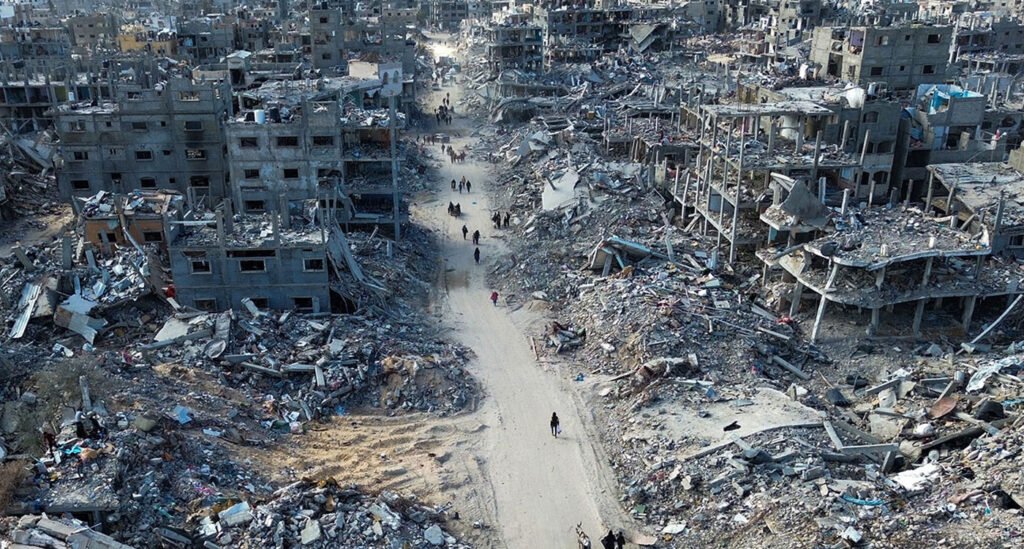
“War is so cruel and so unjust that those fighting it must stifle the conscience within themselves”- Leo Tolstoy
A World still at war sets you thinking: why does man fight and go to war? As has been rightly said, “War is not the eruption of madness but the logical extension of insecurity in a world without guaranteed order.”Nations fight for a combination of reasons – a perceived affront to their dignity and / or seeking material advantage – economic, territorial or political and at times to divert attention from domestic issues. Wars continue due to the eternal struggle for power and resources.
The world today continues to be shaped by conflict, despite the many advances in science and technology, and a conscious effort by many nations on improving international relations and global cooperation. Ironically, while nations, organizations, and individuals collaborate to address shared cross-border challenges like economic instability and climate change, many countries remain at war—through political tensions, regional conflicts, civil wars, cyber warfare, and drone combat. These conflicts remind us that progress does not guarantee peace-sometimes, it may even pave the way for war.
Putin launched a full-scale invasion of Ukraine in February 2022, after earlier attempting to bring parts of Ukraine into Russia’s territory by annexing Crimea in 2014 and later declaring the annexation of the Donetsk, Luhansk, Kherson, and Zaporizhzhia regions in 2022-moves which were condemned internationally as violations of Ukraine’s sovereignty.
The Iran- Israel conflict escalated from deep- rooted geopolitical and ideological tensions with the key reasons being Iran’s pursuit of nuclear capabilities which Israel views as an existential threat, and its support for anti-Israel militias – Hamas in Gaza and Hezbollah in Lebanon. The war followed a decade-long proxy war between the two nations.
There are major Civil Wars and severe Internal Armed Conflicts going on around the world. A civil war in Sudan between two powerful rival military factions that once ruled Sudan together – the Sudanese Armed Forces and the paramilitary Rapid Support Forces (RSF), fighting over political power and control over the government.
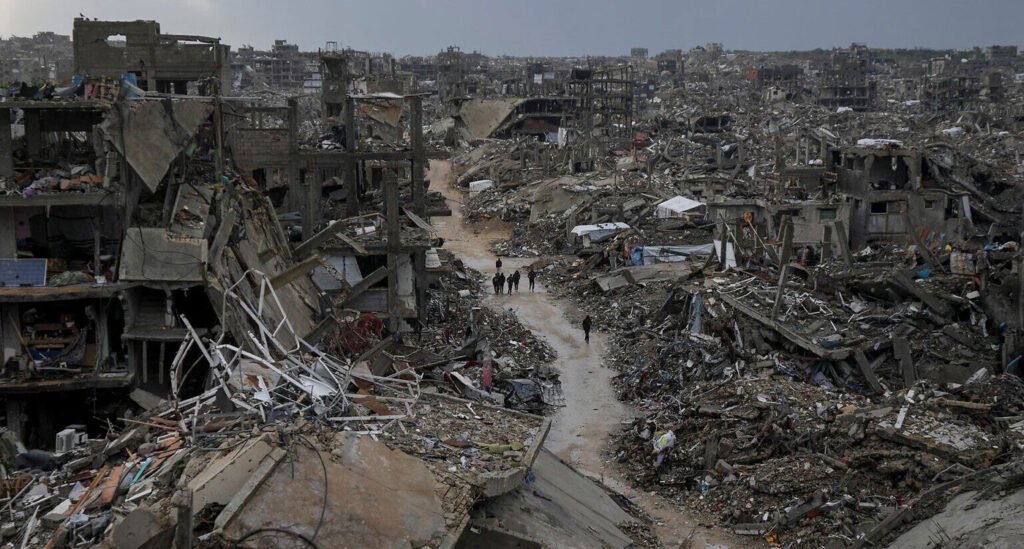
The current phase of the Myanmar Civil War erupted after a military coup in 2021, when the Army, known as Tatmadaw, overthrew the elected government led by Aung San Suu Kyi, citing alleged election fraud in the general elections of 2020. It was also built on decades of conflict between the military and ethnic minority groups fighting for autonomy and control. The Burmese conflict is perhaps one of the longest-running internal conflict of modern times.
Yemen’s civil war escalated in 2014 when Houthi forces seized the capital, Sanaa, which forced the President, Abdrabbuh Mansur Hadi, to flee. The Houthis control the north, while the internationally recognized government has been supported by a Saudi-led coalition since 2015. The conflict also has international dimensions, with regional powers such as Saudi Arabia and Iran accused of backing opposing sides.
Closer to home, India launched ‘Operation Sindoor’ in May 2025, carrying out a military offensive against Pakistan in response to a terrorist attack allegedly linked to Pakistan.
While the world is still at war, it is having a tremendous devastating and far reaching social, economic and political impact on the entire world. Besides causing immense destruction of life, property and infrastructure, there are long-term economic impacts like poverty and unemployment and numerous economic hardships. The humanitarian crisis is huge, causing mortality, malnutrition, disease outbreaks with millions forced to flee their homes which is leading to a refugee crisis.
Among the consequences of war, its impact on mental health cannot be ignored. War has a catastrophic effect on the health and well-being of nations, with studies showing a significant increase in mental disorders, causing more mortality and disability than many major diseases. The World Health Organization estimates that about one in five people living in conflict-affected areas acquire a mental disorder, with depression, anxiety, and post-traumatic stress disorder (PTSD) being the most common.
War causes immediate and long-term devastation, including massive loss of life, severe psychological trauma, and mass displacement of people. It destroys critical infrastructure, cripples economies due to inflation and debt, and inflicts lasting environmental damage, such as pollution and ecosystem destruction, the impact of which will be seen for a very long time.
As Mahatma Gandhi rightly said, “There is no way to peace. Peace is the way.”